What the Base Rate Is and Why It Matters
The base rate is one of the most frequently discussed figures in economic reporting. It is regularly mentioned in stories about inflation, borrowing costs, savings rates and central bank decisions, yet it is not always explained in clear terms.
At its simplest, the base rate is the main policy interest rate set by a central bank. It is one of the core tools used to influence monetary conditions in the wider economy. When rates are described as having been increased, cut or held, this is usually the benchmark being discussed.
Its significance lies in the role it plays across the financial system. The base rate is not the same as the exact rate any individual borrower or saver will receive, but it influences the environment in which banks, lenders and other financial institutions price products. It also acts as a signal of how policymakers view current economic conditions.
This is one reason why the base rate features so prominently in the news. A change in the rate is not simply a technical adjustment. It can indicate how policymakers are responding to inflation, growth, consumer demand and wider economic pressures. Even when the rate is left unchanged, the surrounding commentary is often examined closely for signs of what may come next.
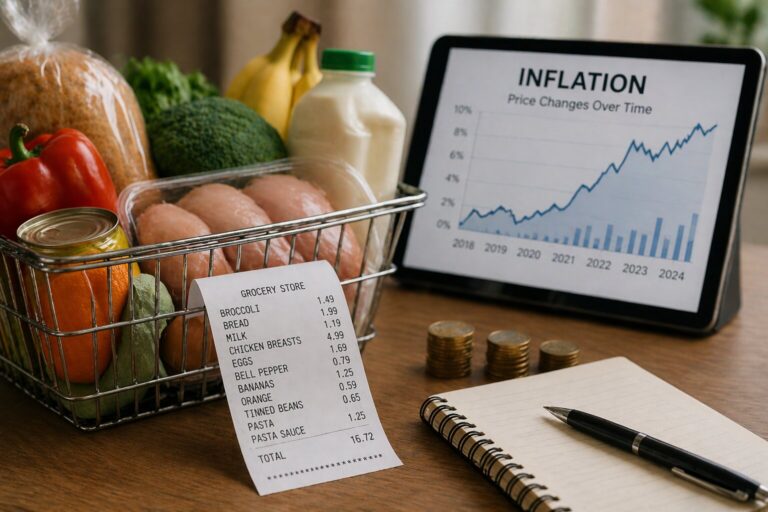
Inflation is one of the key reasons the base rate attracts attention. When price growth is elevated, central banks may raise rates in an attempt to reduce demand and ease inflationary pressure over time. When economic activity is weak, rates may sometimes be reduced to support borrowing and spending. These decisions are usually framed around broader goals such as price stability and sustainable economic conditions.
In practical terms, the base rate matters because it can influence borrowing costs and savings returns across the economy. Mortgages, loans, business finance and savings products may all be affected indirectly by where the benchmark rate stands. The exact effect can vary from one provider and product to another, but the base rate remains one of the most important reference points in the system.
It also matters because it shapes expectations. Businesses, households, lenders and markets often interpret rate decisions as signals about the economic outlook. A higher rate may be seen as evidence that inflation remains a concern. A lower rate may be read as a sign that policymakers are trying to support activity. In that sense, the base rate influences not only financial pricing but also the way the economy is understood.
For businesses, the base rate is not merely a household-finance issue. Firms often follow rate decisions closely because they can affect the cost of borrowing, the wider commercial environment and consumer behaviour. Interest-rate changes may also influence investment plans, spending conditions and financial planning across sectors.
For general readers, one of the most useful ways to think about the base rate is as both a benchmark and a signal. It is a benchmark because it helps shape financial conditions. It is a signal because it reflects the judgment of policymakers about inflation, economic momentum and the balance of risks in the economy.
Another important point is that changes in the base rate do not necessarily work through the economy immediately. The effects can take time, and they may be felt differently across households, sectors and markets. This is why economic reporting often discusses not just the decision itself, but also the expected lag, the reaction of markets and the possible effect on future activity.
The base rate is also closely connected to other major economic indicators. Inflation figures, wage growth, employment data, retail sales and GDP all feed into the wider discussion about interest-rate policy. That means the base rate is often reported as part of a bigger picture rather than as an isolated number.
Because it sits at the intersection of inflation, monetary policy, borrowing, savings and market expectations, the base rate remains one of the most useful economic concepts to understand. It helps explain why a single number can appear in such a wide range of financial and business stories.
When a central bank announces a base-rate decision, it is doing more than adjusting a headline figure. It is also communicating a view of current conditions and using one of its most important tools to influence the direction of the economy. That is why the base rate continues to hold such a central place in business, finance and economic coverage.
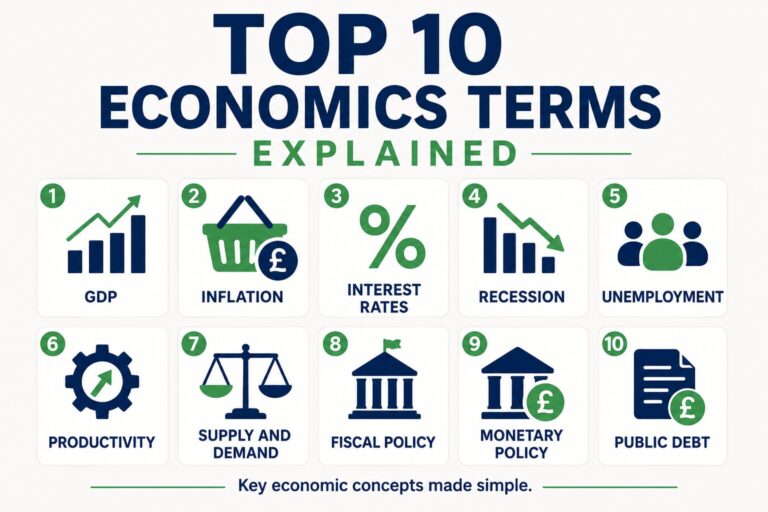
Want to learn more about economics terms? Our guide to 10 frequently used terms will help you to cut through the terminology. Are you good at explaining economics and financial concepts to others? You can submit a finance guest post to reach a wider audience.
This article is for general information only and does not constitute financial or professional advice.