Personal Finance Guest Post Opportunities
Personal finance is one of the most widely searched and widely discussed areas of finance content. Many readers want clear information about budgeting, saving, debt awareness, household costs, student finance, benefits, pensions and the general money pressures that affect everyday life.
At Commerce Grants, we publish clear and informational content across finance, grants, funding, business, personal finance and related economic topics. Personal finance guest post opportunities can be a good fit for the site when the article helps readers understand a money-related topic in a responsible and accessible way.
This page is for contributors who are interested in writing about personal finance topics for a general audience. It explains the types of personal finance articles that may be suitable, the standards we look for and how this page fits into our wider Write For Us Finance contributor cluster.
The aim is not to provide direct financial advice. Instead, strong personal finance articles should explain general concepts, highlight useful considerations and help readers understand a topic more clearly.
What Counts As A Personal Finance Guest Post?
A personal finance guest post is an article that focuses on how individuals, households, students or families understand and manage money.
This could include budgeting, saving, debt awareness, financial planning, household bills, student finance, pensions, benefits, cost-of-living pressures, money habits or general explanations of finance terms that affect everyday readers.
For Commerce Grants, a personal finance guest post should be written in a neutral and educational way. It should not tell a reader what financial decision to make. It should not recommend a specific product, lender, investment, pension provider or financial service as the right choice for everyone.
Instead, the article should help readers understand the subject. For example, a suitable article might explain the difference between different types of student support, or outline general ways households can think about budgeting during periods of rising costs.
The best personal finance guest posts are practical without being prescriptive. They give readers useful context while making it clear that personal circumstances vary.
Why Personal Finance Fits Commerce Grants
Commerce Grants covers finance from several angles. While the site has a strong focus on business grants, funding and public support, personal finance is also an important part of the wider editorial direction.
Many financial pressures overlap. A small business owner may also be managing household costs. A student may be looking for grants, bursaries or hardship support. A family may be trying to understand how economic changes affect bills, savings or borrowing. A reader researching funding may also want clear explanations of budgeting, debt or cost-of-living topics.
That makes personal finance content a natural fit when it is written carefully.
Commerce Grants is not designed to be a personal advice site. The goal is to publish clear information that helps readers understand common financial subjects. This means personal finance articles should be accessible, balanced and cautious where needed.
If your article idea is broader and not specifically focused on individuals or households, the main Finance Guest Post Opportunities page may also be useful.
Suitable Personal Finance Topics
Personal finance is a broad category, but suitable topics for Commerce Grants should have clear reader value and fit the tone of the site.
Possible personal finance guest post topics include:
- Budgeting during periods of rising costs
- Understanding common household finance pressures
- Saving habits and emergency funds
- Debt awareness and general debt management considerations
- Student finance and university costs
- Grants, bursaries and hardship support
- Pensions explained in plain English
- Benefits and financial support awareness
- Cost-of-living topics
- Financial resilience for households
- Money mistakes to avoid
- How to understand financial terms
- Managing irregular income
- Finance considerations for freelancers or self-employed people
- How economic changes affect personal budgets
These topics should be written for a general audience. The article should not assume that readers have specialist finance knowledge.
A good contributor article usually focuses on one clear issue rather than trying to cover all of personal finance in one post.
Budgeting And Household Money Topics
Budgeting is one of the most suitable personal finance areas for Commerce Grants because it can be explained in a general, educational way.
A guest post might cover how households can think about income and outgoings, why regular reviews matter, how small recurring expenses can affect monthly budgets, or why emergency savings are often discussed in personal finance content.
However, the article should avoid giving rigid instructions that may not suit every reader. For example, it is better to explain that different budgeting methods exist than to claim that one method is always best.
Household finance content should also be sensitive. Readers may be dealing with financial stress, debt, job uncertainty or rising bills. The tone should be practical and respectful rather than judgemental.
Useful article angles could include:
- How to review a household budget when costs increase
- Why separating essential and non-essential spending can help with planning
- What readers should understand about irregular expenses
- Common budgeting mistakes households make
- How to think about emergency savings in general terms
These types of topics fit well because they are helpful, clear and not overly promotional.
Student Finance And Education Costs
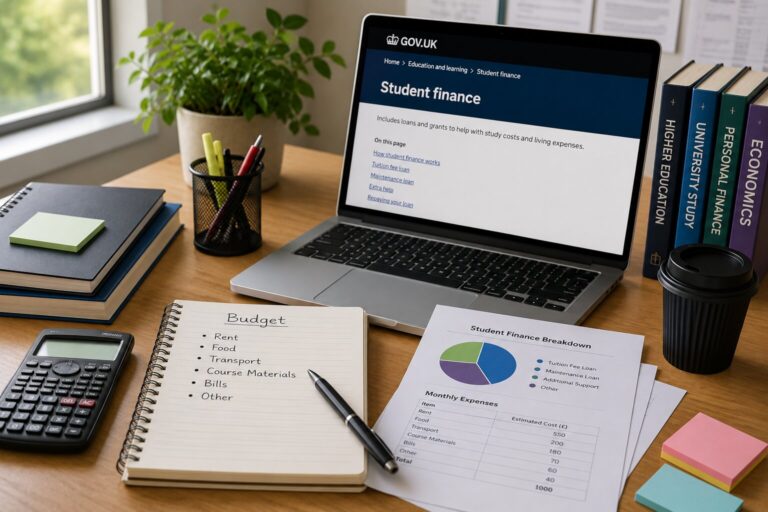
Student finance is already a strong content area for Commerce Grants. Guest post ideas around university costs, student support, hardship funds, bursaries and education-related financial pressures may be suitable.
A student finance guest post might explain how students can think about living costs, what types of support may exist, why maintenance support may not cover every expense, or how hardship funds usually work in broad terms.
Articles in this area should be especially careful because student finance rules can vary and may change. Content should avoid making promises about eligibility or support amounts. It should encourage readers to check official sources, universities or relevant support providers for current information.
Suitable student finance article ideas could include:
- What students should understand about university hardship funds
- Why maintenance support may not cover all living costs
- How students can think about budgeting at university
- Common types of financial support for students
- The difference between scholarships, bursaries and grants
This type of content can link naturally to existing student finance articles on Commerce Grants.
Debt Awareness Content
Debt is a sensitive personal finance topic, so guest posts in this area need to be handled responsibly.
Commerce Grants may consider articles that explain debt awareness in general terms. This could include understanding different types of debt, recognising signs of financial pressure, knowing when to seek help or understanding why interest rates and repayment terms matter.
However, articles should not give direct debt advice. They should not tell readers which debt solution to choose or encourage borrowing. They should also avoid language that could make readers feel ashamed or pressured.
A responsible debt awareness article should explain the topic clearly and encourage readers to seek appropriate support from qualified organisations or professionals if they are struggling.
Useful angles may include:
- Common warning signs of household debt pressure
- Why understanding repayment terms matters
- How interest can affect borrowing costs
- Why people should seek support early if debt becomes difficult to manage
- General differences between priority and non-priority debts
These articles can be useful, but they must remain balanced and informational.
Savings And Financial Resilience
Savings content can work well when it is realistic and sensitive to different financial circumstances.
Not every reader will be able to save regularly. Some may be dealing with tight budgets or financial difficulty. A good article should acknowledge that personal situations vary.
Suitable savings topics might include emergency funds, short-term savings goals, saving while managing rising costs, understanding financial resilience or planning for irregular expenses.
A strong article in this area should avoid unrealistic assumptions. It should not suggest that saving is easy for everyone. Instead, it can explain why savings are discussed, how people may think about priorities and why even small amounts can matter for some readers when possible.
Possible guest post angles include:
- Why emergency savings are often discussed in personal finance
- How households can plan for irregular costs
- The role of savings in financial resilience
- Common barriers to saving
- How to think about short-term and long-term savings goals
This type of content should be encouraging but not simplistic.
Benefits, Grants And Support Topics
Personal finance also overlaps with grants, benefits and public support. This is especially relevant for Commerce Grants because the site already covers funding and support information.
Guest posts may be suitable if they explain general types of support available to individuals, students, households or community groups.
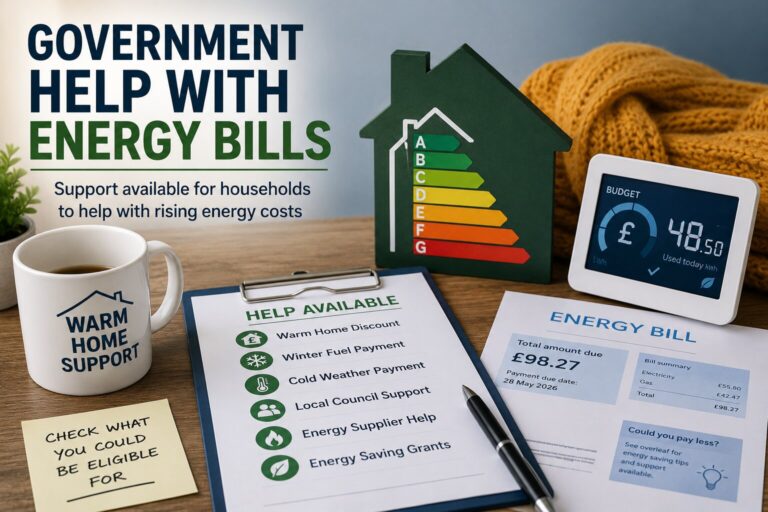
For example, a contributor might write about hardship funds, local welfare support, educational grants, disability-related support, energy support schemes or general grant awareness.
These articles must be written carefully. Support schemes often have eligibility rules, deadlines and regional differences. A guest post should avoid suggesting that every reader will qualify. It should also avoid presenting outdated support as currently available unless the information has been checked.
A useful article can explain how readers might research support, what eligibility usually means, why documentation matters or why official sources should be checked.
Personal Finance And The Wider Economy
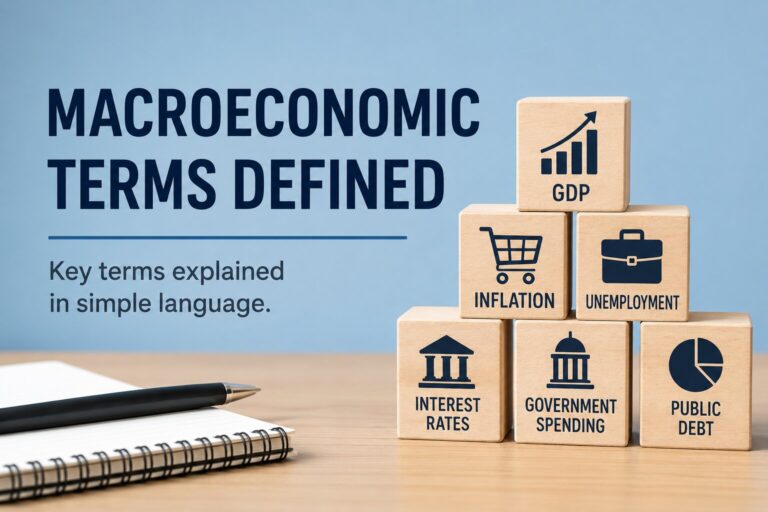
Many personal finance topics are connected to wider economic conditions. Inflation, interest rates, wage growth, employment changes, rent increases and energy costs can all affect household finances.
Commerce Grants may consider contributor articles that explain these issues in plain English.
For example, an article might explain how inflation affects household spending, why interest rate changes matter for borrowers and savers, or how rising rents can affect budgeting decisions.
These articles should avoid dramatic predictions. The best approach is explanatory and balanced. The article should help readers understand what a term or trend means, why it matters and how it may affect households in general terms.
A strong economy-focused personal finance article should make complex topics easier to understand without turning them into personal recommendations.
What Makes A Strong Personal Finance Guest Post?
A strong personal finance guest post begins with a clear reader question.
The article should be able to answer something specific. For example:
- What should students understand about hardship support?
- How can households think about budgeting during rising costs?
- What does inflation mean for everyday spending?
- Why does debt become more expensive when interest rates rise?
- What is the difference between a grant, bursary and loan?
Specific questions usually lead to stronger articles because they give the post a clear purpose.
The article should also be easy to follow. Personal finance content should use plain English, clear headings and short sections. It should explain terms rather than assuming the reader already understands them.
Most importantly, the article should avoid direct advice. It can explain general options and considerations, but it should not tell readers what they personally should do.
A suitable personal finance guest post should be:
- Clear
- Responsible
- Informative
- Non-promotional
- Relevant to the Commerce Grants audience
- Suitable for general readers
- Careful around financial claims
What We Do Not Usually Accept
We are unlikely to accept personal finance guest posts that are mainly promotional or risky for readers.
This includes articles that promote a specific lender, loan, investment, trading platform, credit product or financial service in a way that feels like advertising. We are also unlikely to accept articles that encourage readers to borrow, invest or make major financial decisions.
Content that makes unrealistic claims is not suitable. For example, articles should not promise that readers can clear debt quickly, guarantee savings results or claim that one financial product is right for everyone.
We also avoid thin, generic or mass-produced content. A personal finance article should have a clear angle and useful information. It should not simply repeat basic points without adding value.
Topics involving debt, tax, pensions, investments, benefits or financial products should be written with extra care. Where necessary, the article should remind readers that personal circumstances vary and that they may need professional or official guidance.
For more detail on content standards, contributors should review our Finance Guest Post Guidelines page.
How To Pitch A Personal Finance Article
A strong pitch should be simple and specific.
If you would like to submit a personal finance guest post idea, it is helpful to include a working title, a short summary, the intended reader and why the article would be useful for Commerce Grants.
For example, instead of pitching “an article about budgeting”, a stronger pitch might be “an article explaining how students can plan for living costs when maintenance support does not cover all expenses”.
That gives the article a clearer purpose and makes it easier to assess.
You may also want to explain whether the article connects to student finance, household budgeting, grants, cost-of-living issues or another relevant topic area.
For the wider submission process, contributors can review How To Submit A Finance Guest Post.
Examples Of Suitable Article Angles
Here are some personal finance article angles that could work well for Commerce Grants:
How Students Can Understand University Living Costs
This could explain rent, food, transport, study costs and the gap that may exist between support and actual expenses.
What Households Should Know About Rising Bills
This could explain how rising costs affect budgets and why reviewing regular expenses can be useful.
Understanding The Difference Between Grants, Loans And Bursaries
This could help readers understand different types of financial support in plain English.
Why Emergency Savings Are Often Discussed
This could explain the general purpose of emergency funds while acknowledging that saving is not always possible for every household.
Common Personal Finance Terms Explained
This could define terms such as interest, inflation, credit score, repayment term, arrears, budgeting and disposable income.
How Cost-Of-Living Pressures Affect Students
This could connect personal finance with education costs, hardship funds and student budgeting.
These ideas are examples only. Contributors are welcome to suggest other relevant topics if they fit the site and offer useful reader value.
Preparing A Personal Finance Guest Post
Before writing a full article, contributors should think carefully about the reader’s situation.
Personal finance readers may be looking for clarity, reassurance or practical information. Some may be under financial pressure. That means the tone should be respectful and measured.
A useful article should explain the subject without overpromising. It should avoid judgemental language and should not make assumptions about a reader’s income, savings, debt or personal circumstances.
It is also important to check whether the topic could become outdated. Information about benefits, grants, student finance and support schemes can change. If the article refers to specific schemes or rules, the wording should be cautious and encourage readers to check current official information.
The article should fit the Commerce Grants style: clear, neutral, informative and suitable for a general audience.
Conclusion
Personal finance guest post opportunities can be a strong fit for Commerce Grants when the article is clear, responsible and genuinely useful to readers.
We are interested in content that explains budgeting, student finance, household costs, debt awareness, savings, grants, benefits and wider money topics in a careful and accessible way.
The strongest personal finance guest posts help readers understand a subject without giving direct financial advice. They explain options and considerations, but they do not push readers toward a specific product, service or decision.
If your article idea is focused on individuals, households, students or everyday money issues, this page should help you understand the type of content that may be suitable.
For broader contributor information, visit our Write For Us + Finance page. You can also review our Finance Guest Post Guidelines and How To Submit A Finance Guest Post pages before preparing your article idea.