Low Income Grants for Home Repairs
Home repairs can become difficult to manage when household income is already stretched. A broken boiler, leaking roof, unsafe electrics or damaged heating system can quickly become a serious financial problem, especially for older people, disabled residents and households already struggling with everyday costs.
In the UK, there is no single national “home repair grant” available to everyone. Support depends on factors such as income, age, disability, location, property type and the nature of the repair. Some help comes through local councils, while other support may come from energy-efficiency schemes, charities or specialist housing funds.
This guide explains low income grants for home repairs, who may qualify for support, and how to check the most relevant routes.
What Are Home Repair Grants?
Home repair grants are financial support schemes designed to help with essential property repairs or improvements. They are usually aimed at making homes safer, warmer, healthier or more accessible.
Support may help with:
- heating repairs or replacement
- roof repairs
- damp or insulation issues
- accessibility adaptations
- unsafe electrics
- essential structural repairs
- replacement windows or doors in some circumstances
- repairs needed because of disability or ill health
Some schemes provide grants that do not usually need to be repaid. Others may offer loans, subsidised work or support delivered through approved contractors.
The exact support available depends heavily on local rules and eligibility criteria.
Who Might Qualify For Home Repair Help?
Eligibility varies between schemes, but support is often aimed at:
- people on low incomes
- pensioners
- disabled residents
- households receiving certain benefits
- people with health conditions affected by housing
- homeowners unable to afford essential repairs
- vulnerable residents living in unsafe conditions
Some schemes are limited to owner-occupiers. Others may apply to private tenants or landlords in specific circumstances.
Councils and organisations usually look at factors such as household income, savings, benefits, property condition and whether the repair is essential rather than cosmetic.
This is why people should think carefully about the purpose of the work. A broken heating system or dangerous wiring is treated very differently from a kitchen redesign or decorative upgrade.
Local Council Home Repair Support
Local councils are one of the main places to check for home repair assistance. Some councils offer discretionary grants, loans or emergency repair schemes for vulnerable households.
Support varies widely between areas. One council may help with heating failures or accessibility issues, while another may focus on empty homes, energy efficiency or serious health hazards.
Councils may prioritise:
- serious safety risks
- disabled residents
- older homeowners
- households at risk because of cold homes
- people facing financial hardship
Because schemes are local, applicants should always check their own council website rather than relying on general online advice.
People struggling with multiple costs at once may also need to compare repair support with financial help for those on low incomes, especially where bills, debt and housing problems overlap.
Government Support For Home Improvements
Some repair-related support comes through wider housing and energy-efficiency schemes rather than direct repair grants.
For example, insulation, heating upgrades, accessibility improvements and energy-efficiency work may be supported through government-backed programmes or local authority delivery schemes.
This overlaps with government grants for home improvements in 2026, particularly where the property is cold, difficult to heat or unsuitable for someone with health or mobility needs.
However, applicants should remember that home improvement schemes often focus on energy performance or accessibility rather than general maintenance.
Disabled Facilities Grants
One of the best-known forms of home adaptation support is the Disabled Facilities Grant.
This grant helps fund adaptations that allow a disabled person to live more safely and independently at home. Examples may include:
- stairlifts
- ramps
- accessible bathrooms
- widened doors
- improved access around the property
- heating or lighting controls
- adaptations for mobility or safety needs
Disabled Facilities Grants are usually managed through local councils. Eligibility depends on disability-related needs and, in some cases, financial assessment.
The grant is intended for adaptations rather than ordinary repairs, but some work may overlap where accessibility and safety are connected.
Energy-Efficiency And Heating Support
Many low income households struggle with repair costs because heating systems become old, inefficient or unreliable.
Energy-efficiency support may help with:
- insulation
- heating controls
- heat pumps in eligible cases
- draught-proofing
- boiler-related support in some circumstances
- energy-saving improvements
Schemes vary by nation and local authority. Some are linked to benefits or low household income. Others focus on energy performance ratings or vulnerability.
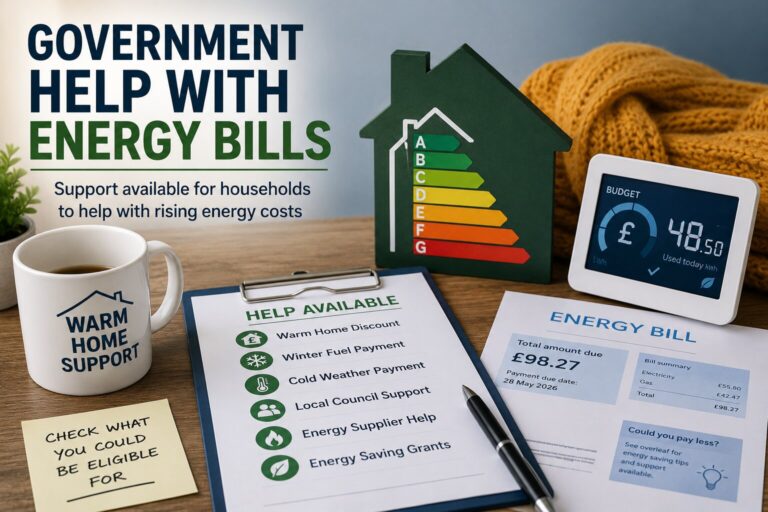
Households facing high heating costs may also need wider support with energy bills and help for low incomes, especially where fuel debt and repair problems happen together.
Home Repairs For Pensioners
Older homeowners can face particular challenges with repair costs, especially where they rely on a fixed income or live in older properties.
Some charities, councils and support organisations prioritise pensioners for home repair help, particularly where there are health or safety concerns.
Support may relate to:
- heating failures
- insulation
- accessibility work
- small repairs
- home safety improvements
- emergency repairs
Older residents should also review financial help for pensioners, because some people may qualify for additional support through Pension Credit or related benefits that can improve access to other schemes.
Help For Disabled Residents And People With Health Conditions
Poor housing conditions can worsen health problems. Damp, cold homes, unsafe stairs, inaccessible bathrooms or faulty heating can affect mobility, breathing, recovery and wellbeing.
This means some home repair or adaptation support is linked to health and disability needs. Social services, occupational therapists and housing teams may all become involved depending on the situation.
Someone dealing with long-term illness or mental health pressures may also need broader support. In those cases, hardship grants for individuals and local welfare help may sit alongside repair-related schemes.
Support routes often overlap rather than operating separately.
Charity Grants For Home Repairs
Some charities help with small repairs, essential household items or accessibility needs, particularly for older people, disabled residents or people in financial hardship.
Charitable support may help with:
- essential furniture
- white goods
- small repair costs
- mobility-related adjustments
- emergency household needs
However, major structural repairs are less commonly covered by charities unless there is a very specific fund or exceptional circumstance.
People searching for this type of help may benefit from a broader guide to apply for charity grants for individuals, especially where home repair problems are part of wider hardship.
Tenants And Repair Responsibilities
Private tenants should remember that many repairs are legally the landlord’s responsibility.
Problems involving:
- heating systems
- damp
- unsafe electrics
- structural issues
- plumbing failures
may need to be raised formally with the landlord first.
If the landlord does not act, tenants may need support from the council, a housing adviser or a tenant support organisation. Grant schemes are not always the correct route for rented housing.
Social housing tenants should contact their housing association or council landlord regarding repair responsibilities.
Emergency Home Repair Situations
Some situations require urgent action. These may include:
- total heating failure in winter
- dangerous electrical faults
- flooding
- severe roof damage
- unsafe access
- serious structural risk
Where health or safety is affected, local councils, emergency repair services or support agencies may need to be contacted quickly.
Some councils operate emergency assistance or discretionary schemes for vulnerable residents facing immediate housing risks.
Home Repairs And Students
Students are less likely to need homeowner repair grants because many live in rented accommodation. However, mature students, students with dependants or student homeowners may still face repair costs.
Students struggling with housing-related hardship may also need to compare grants with financial support available for university students, because hardship funds and student support may sometimes help with essential living pressures.
Where the issue involves rented student accommodation, the landlord usually remains responsible for qualifying repairs.
How To Apply For Repair Grants
Applications vary depending on the scheme.
Applicants may need:
- proof of income or benefits
- ownership documents or tenancy details
- quotes for repair work
- photographs of damage
- medical evidence
- disability evidence
- energy information
- bank statements
Some schemes also require property inspections or assessments before work is approved.
Applicants should avoid starting major work before confirming whether approval is needed first.
Why Applications Are Sometimes Refused
A repair grant application may be refused because:
- the work is not considered essential
- income or savings are too high
- the applicant does not own the property
- the scheme only covers certain repairs
- the property does not meet scheme criteria
- the budget has been exhausted
- another support route is considered more suitable
A refusal does not always mean no help is available. Another local scheme, energy-efficiency route, charity or loan arrangement may still exist.
Avoiding Misleading Grant Offers
Home repair grants are a common area for misleading advertising. Some companies suggest everyone qualifies for “free government money” without explaining the actual rules.
Applicants should be cautious about:
- pressure selling
- upfront fees
- vague claims
- cold calls
- unclear installer arrangements
- promises of guaranteed approval
Using official council websites, recognised government information and trusted advice organisations is usually safer than relying on aggressive advertising.
Keeping Records And Quotes
Applicants should keep copies of:
- repair quotes
- inspection reports
- photographs
- correspondence
- grant applications
- approval letters
This helps if further evidence is needed or if another scheme is explored later.
It is also sensible to get more than one quote where possible, especially for larger repair work.
Conclusion
Low income grants for home repairs can help vulnerable households deal with essential property problems, but support is usually targeted and dependent on circumstances. Councils, government-backed schemes, charities and housing organisations may all play a role depending on the type of repair and the applicant’s situation.
The most important step is identifying the nature of the problem: heating, accessibility, structural repair, insulation, safety or emergency hardship. From there, applicants can check the most suitable local and national routes.
Repair grants work best alongside wider financial support where necessary. Benefits checks, hardship support, energy help and debt advice may all matter where housing problems are part of broader financial pressure.
Commerce Grants welcomes contributors who can submit finance guest posts that help readers understand grants, housing support and essential household funding in plain English.